

- Former Texas Prosecutor
- Millions Recovered
- Great Customer Service
Houston Spinal Cord Injury Lawyer
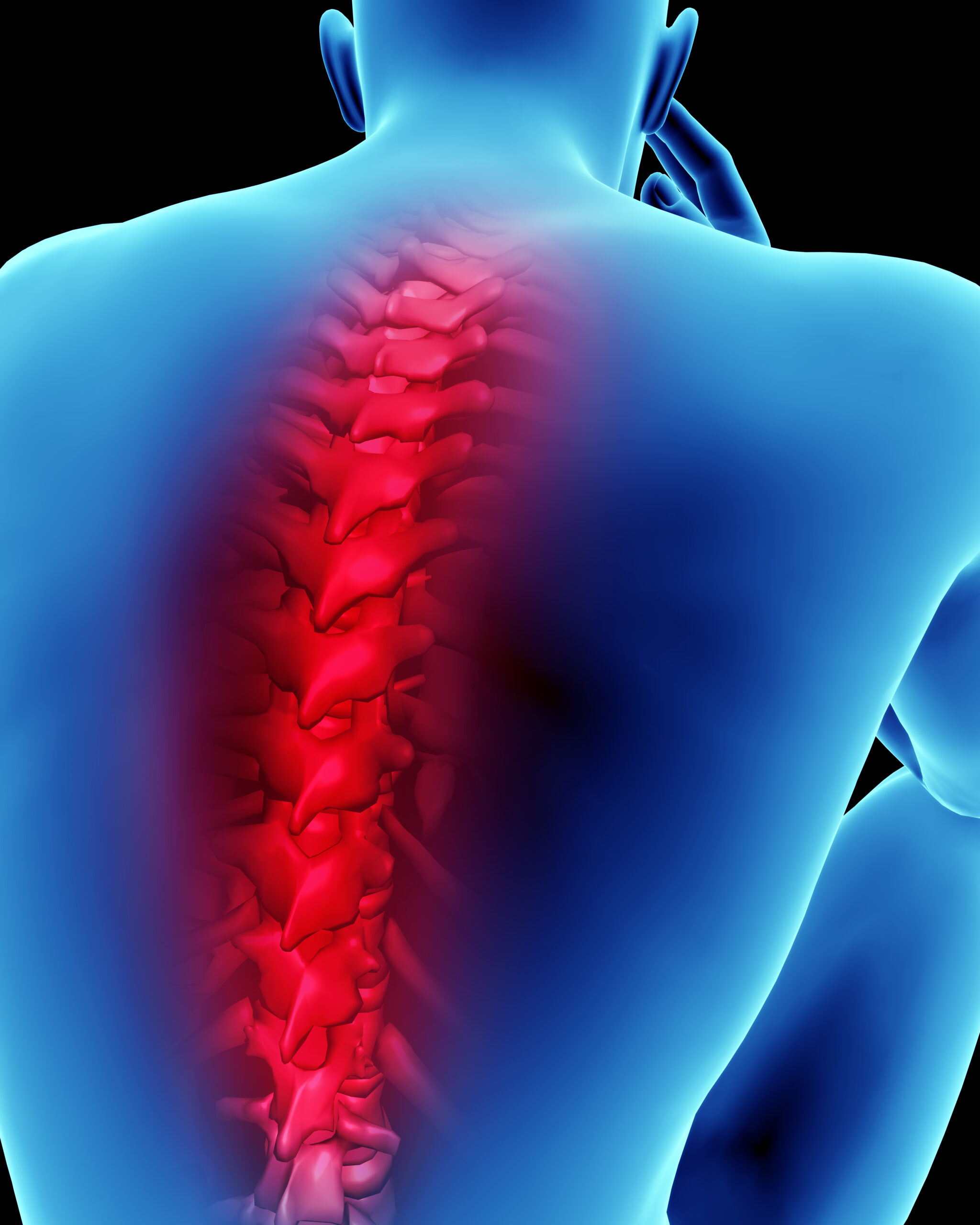
A sudden injury to the spinal cord can turn an ordinary day into a medical emergency. If you or a family member sustained cord trauma in a Houston-area accident, The Stano Law Firm can review the accident record, the diagnosis, and the documentation available during a consultation. The conversation starts with what happened, how the injury is being evaluated, and which information may matter in a personal injury claim.
Trauma to the cord can disrupt signals between the brain and body. Because a cord injury can cause paralysis, our Houston paralysis injury lawyer page addresses that functional outcome separately. This page focuses on accident-related spinal-cord trauma itself: diagnosis, injury level and severity, treatment records, and proof of how the incident occurred.
Start with medical evaluation and a clear record
After a violent impact, fall, or crushing event, new neck or back pain, weakness, numbness, changes in sensation, trouble walking, or other concerning symptoms deserve prompt medical attention. A clinical team can determine the appropriate evaluation and treatment. Follow discharge instructions, attend recommended follow-up care, and keep the records you receive. Delays, gaps, or missing paperwork can make the medical course harder to understand later.
Emergency notes, imaging orders and reports, specialist evaluations, operative reports when applicable, therapy notes, medication records, and discharge instructions each document a different part of the medical picture. Keep copies when possible, along with the names of treating providers and appointment dates. A lawyer can review these materials alongside the accident evidence; medical professionals, not a law firm, diagnose the injury and direct treatment.
Why injury location and severity matter
The spinal cord carries pathways that affect movement, sensation, and body functions below the point of trauma. Medical records may describe whether an injury involves the cervical, thoracic, lumbar, or sacral region. The location is important because it helps explain what functions were affected after the accident. Diagnostic imaging and neurological examinations can help a medical team distinguish cord trauma from other injuries to the spine or surrounding tissues.
Records may also use the terms complete and incomplete. A complete injury generally describes an absence of motor or sensory function below the level of injury. An incomplete injury means some function remains below that level. Those terms do not replace a treating provider’s individualized assessment, and the medical record may develop as testing and treatment continue. For a claim review, the important step is preserving the actual findings rather than relying on assumptions about severity or future progress.
Spinal fractures, disc damage, swelling, bruising, compression, and nerve-related symptoms may appear in the same records, but they are not interchangeable diagnoses. A careful review should track what was reported immediately after the accident, what imaging showed, what clinicians observed, and how the condition was described over time.
Document treatment and medical evidence
Early documentation often becomes important when an insurer questions whether an accident caused a cord injury or disputes its severity. Preserve hospital and ambulance records, diagnostic images and reports, physician notes, consultation records, procedure records, rehabilitation records, prescriptions, and bills or statements you receive. Keep a simple written timeline of symptoms, appointments, procedures, and changes reported to your providers. Do not alter original records or discard paperwork because it seems repetitive.
It can also help to preserve prior relevant medical records rather than allowing an incomplete history to create confusion. A claim review may require a clear comparison between an earlier condition and the symptoms, diagnoses, or restrictions documented after the event. Treatment documentation is not just paperwork; it is a contemporaneous account of what clinicians observed and how the injury was managed.
Preserve accident evidence before it disappears
Medical proof is only one part of an accident-related spinal cord injury claim. The other is evidence of the incident. If it is safe to do so, save photographs of the scene, vehicles, hazard, visible injuries, and damaged property. Write down what you remember while details are fresh, including the location, sequence of events, weather or lighting, and names of witnesses. Keep any incident, crash, or property report provided to you.
Video footage, vehicle data, damaged components, maintenance records, and witness accounts may become harder to obtain with time. Do not repair, dispose of, or alter a vehicle, helmet, defective product, or other potentially relevant item before seeking advice about preservation. A timely consultation allows the firm to assess which records, images, communications, and physical evidence may be available and whether preservation requests are appropriate.
Potential responsible parties depend on the incident
Identifying the right parties starts with the facts of the accident, not a one-size-fits-all answer. In a car accident, the review may focus on the drivers involved, vehicle ownership, road conditions, and available collision evidence. In a truck accident, records tied to the truck, its operation, the carrier, cargo, or maintenance can require close attention.
A motorcycle accident may call for attention to sightlines, lane movements, roadway conditions, protective equipment, and the vehicles involved. After a slip-and-fall, photographs, incident reports, inspection or maintenance information, and witness accounts can help establish what condition existed and when. Defective equipment or a dangerous product may require preservation of the item, packaging, instructions, and purchase information. The facts determine which people or entities should be examined; a consultation is an opportunity to discuss them carefully.
A focused consultation for a serious injury claim
Spinal-cord trauma can create a complicated record quickly. The Stano Law Firm can organize the available facts, review injury documentation, and explain next steps in a potential personal injury matter. Bring or describe the records you have, the medical providers involved, the accident location, and any insurance or incident information. If someone else is helping you manage paperwork, they can help gather those details for the discussion.
You can also learn more about Matthew C. Stano before contacting the firm. An early conversation can help identify records to retain and questions that need answers without asking you to sort through every issue alone.
A disciplined approach to evidence and preparation
Matthew C. Stano brings his experience as a prosecutor to the firm’s approach to accident evidence, medical documentation, and preparation. In his words, “My experience as a prosecutor taught me the importance of evidence, preparation, and being ready to make your case.”
For a spinal-cord injury claim, that mindset supports a careful review of the incident record alongside the actual medical findings and treatment documentation. It also means keeping clients informed as questions are investigated. Request a consultation when you are ready to discuss what happened and what records may need attention.
Frequently asked questions
What should I do after accident-related spinal cord trauma?
Seek medical attention for concerning symptoms, follow the treatment plan from your providers, and keep records of the evaluation and care. Preserve photographs, reports, witness information, and damaged items connected to the accident. A consultation can help identify additional records that may need to be retained.
How is a traumatic spinal cord injury documented?
Documentation can include emergency and hospital records, imaging reports, neurological examinations, specialist notes, procedure records, rehabilitation notes, prescriptions, and discharge instructions. These materials help show what was reported, what clinicians found, and how treatment progressed after the accident.
What does complete versus incomplete mean in a spinal cord injury?
Complete and incomplete describe the motor and sensory function documented below the level of injury. A complete injury generally involves no function below that level, while an incomplete injury means some function remains. A treating medical team can explain how those terms apply to an individual diagnosis.
Who may be responsible for an accident-related spinal cord injury?
The answer depends on how the accident happened. A review may examine drivers, vehicle owners, trucking entities, property-related records, product-related evidence, or other parties connected to the event. The available evidence and specific facts guide that assessment.
Request a consultation
If an accident caused spinal-cord trauma, you do not have to determine the evidence issues by yourself. Contact The Stano Law Firm to request a consultation. We can discuss the accident, the medical records available so far, and the information that may be important to preserve.